Infrastructure and networks: Complementary for growth
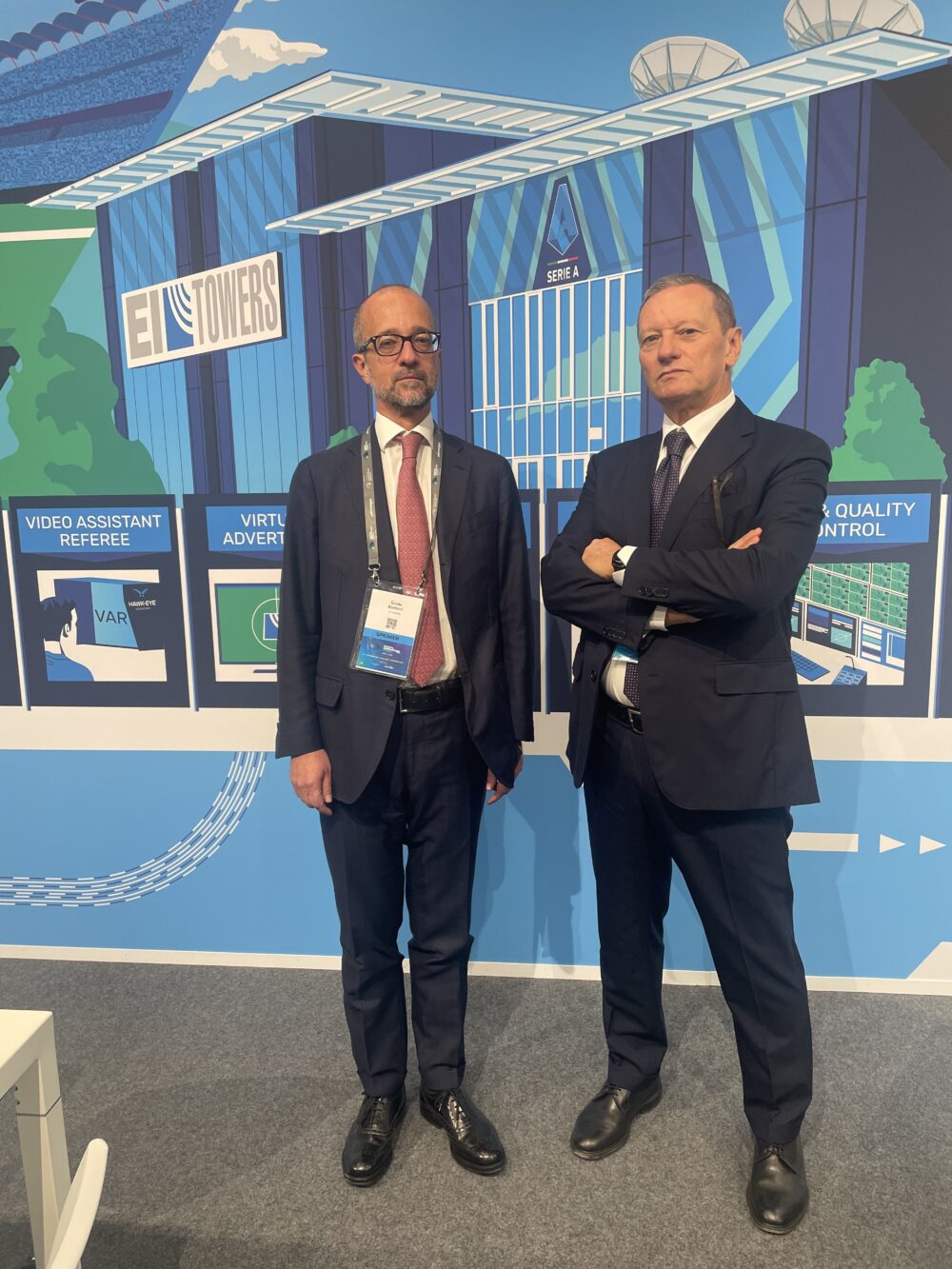
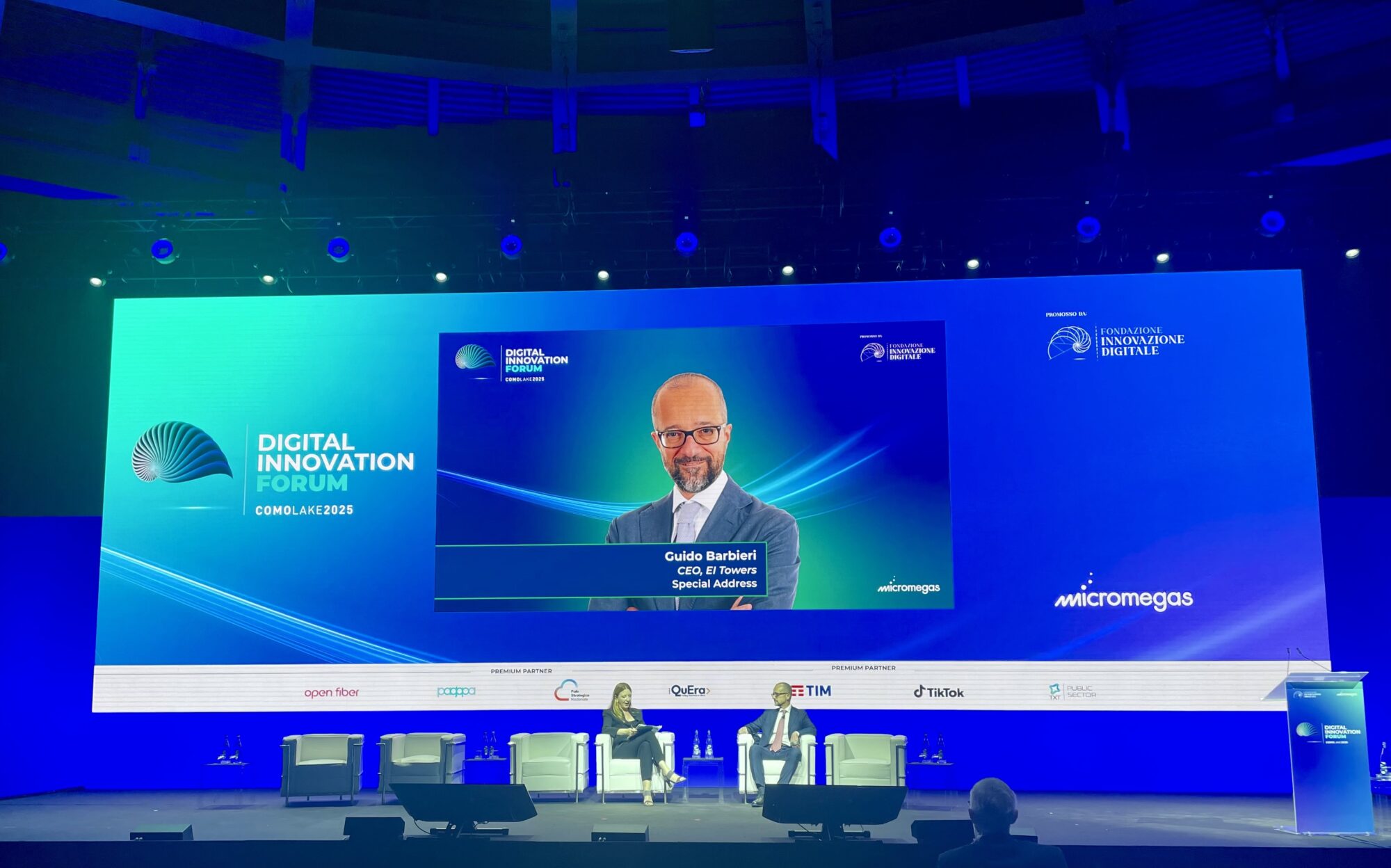
Guido Barbieri, CEO of EI Towers, outlines at ComoLake 2025 the strategic vision for the evolution of the telecommunications and broadcasting sector
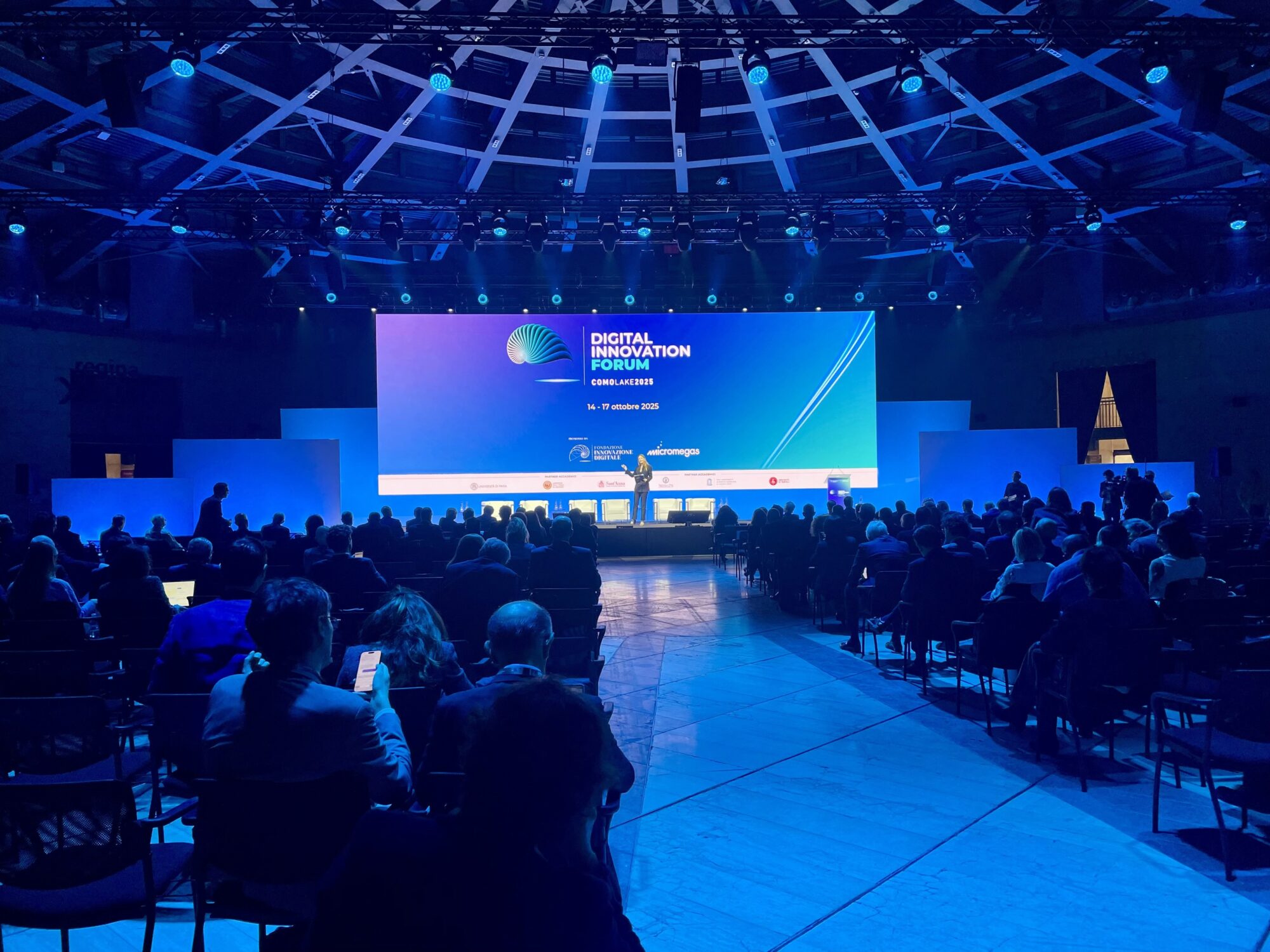
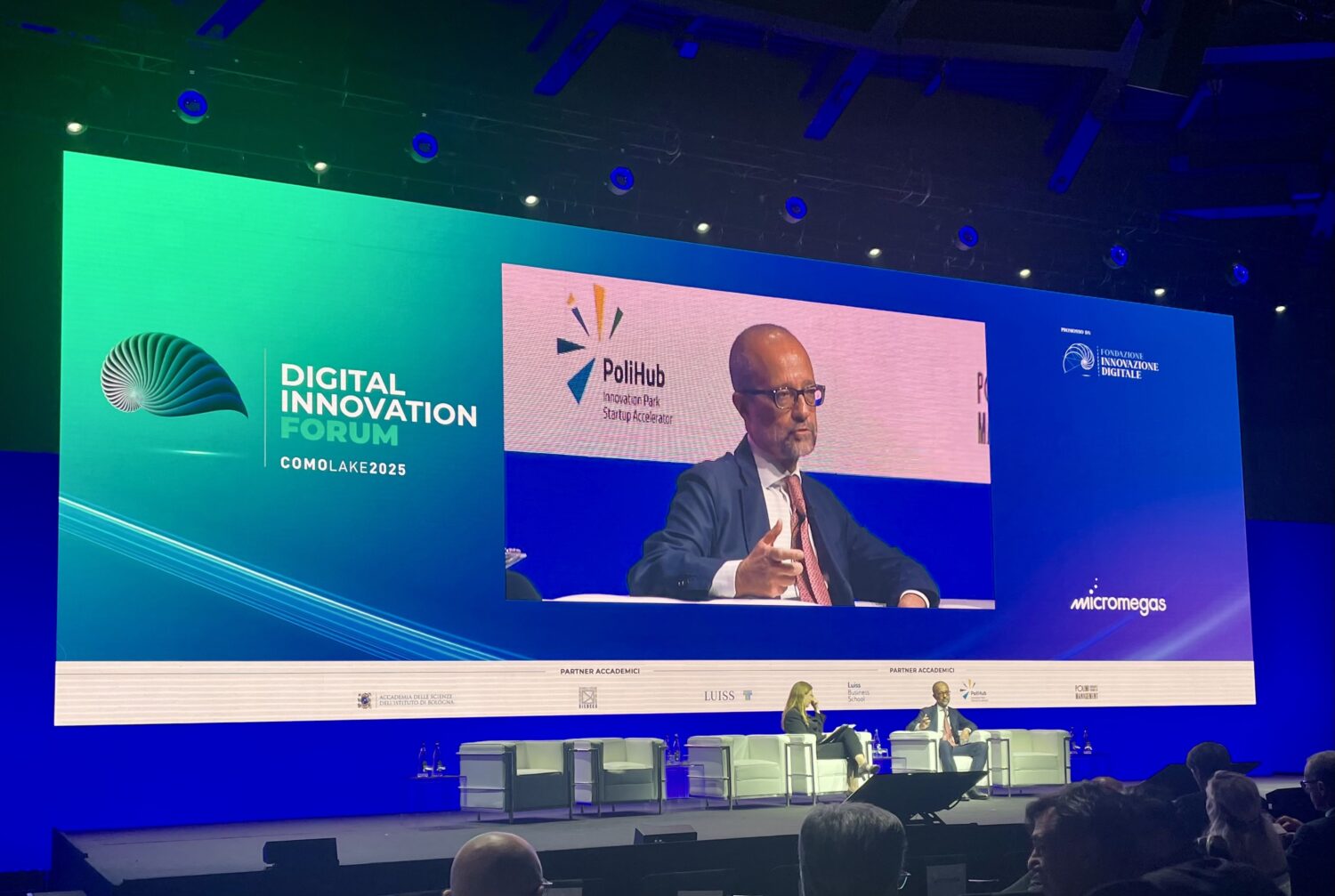
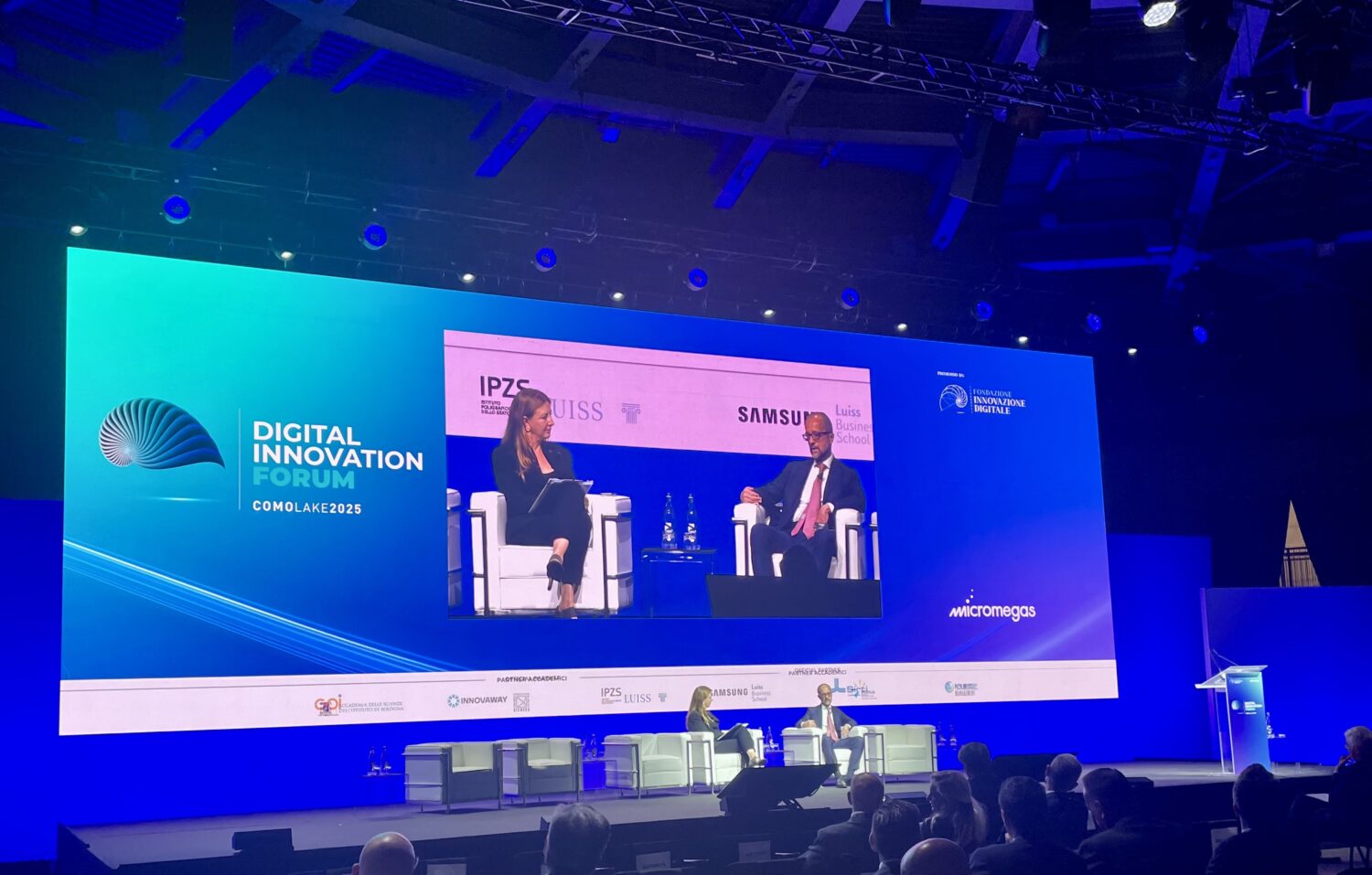
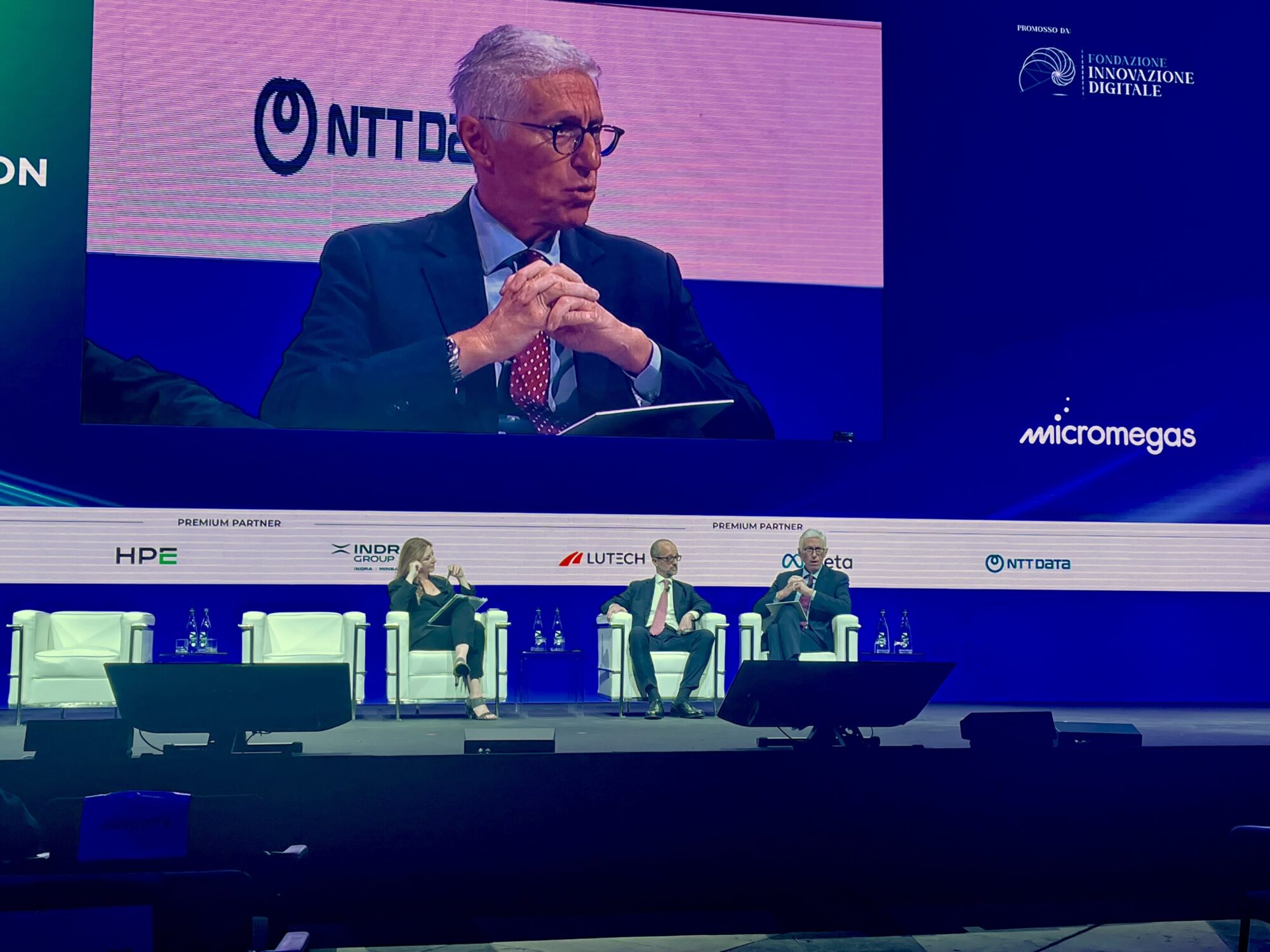
During the Digital Innovation Forum ComoLake 2025, held at Villa Erba, Cernobbio, Guido Barbieri, CEO of EI Towers, presented his vision for the future of the telecommunications sector in the video space. At the heart of his talk, titled “Complementary to grow,” was the idea that growth in the sector must necessarily pass through collaboration and complementarity between different players and infrastructures.
A natural evolution of the theme addressed in last year’s edition, when the debate centered on artificial intelligence.
Building on the experience of the 2024 edition, dedicated to AI, Barbieri stressed that true technological revolution cannot happen without solid foundations: infrastructures need to keep pace with the growing complexity generated by increased data and video traffic and by the disruptive development of artificial intelligence.
Broadcasting and telecoms: an integrated business model
The core of the talk focused on the concrete possibility of collaboration between broadcast networks and telecom networks, a model in which the two not only coexist but create mutual value through integrated management of audio and video content.
Today, networks are facing a genuine explosion in data traffic, particularly video, compounded by the growing weight of flows generated by artificial intelligence. Despite the evolution of technologies such as CDN and Edge Computing, the risk of saturation remains high, and the solution cannot be limited to new infrastructure investments.
The solution, according to Barbieri, lies in complementarity: an approach in which telecommunications networks and broadcasting networks, historically seen as competitors, begin cooperating to build a more efficient and sustainable ecosystem.
In this context, broadcast networks once again become a strategic resource: they can ease the pressure on telecom networks by handling part of the traffic through their traditional strengths, efficiency, environmental sustainability and being free for the user.
5G Broadcast and new consumption models
Among the most promising innovations, Barbieri mentioned 5G Broadcast, a technology that could, under certain conditions, help reduce video load on mobile networks in the future. Another significant evolution under way, he explained, concerns content consumption models, which are becoming increasingly hybrid. We are moving beyond the traditional contrast between linear content (the classic schedule) and on demand. A new form of consumption is emerging, called “Streamcasting,” in which classic linear content coexists with “digital only” content, offering users a more complete and integrated experience. This approach opens up new areas for publishers to explore.
Radio Tv Serie A: complementarity becomes reality
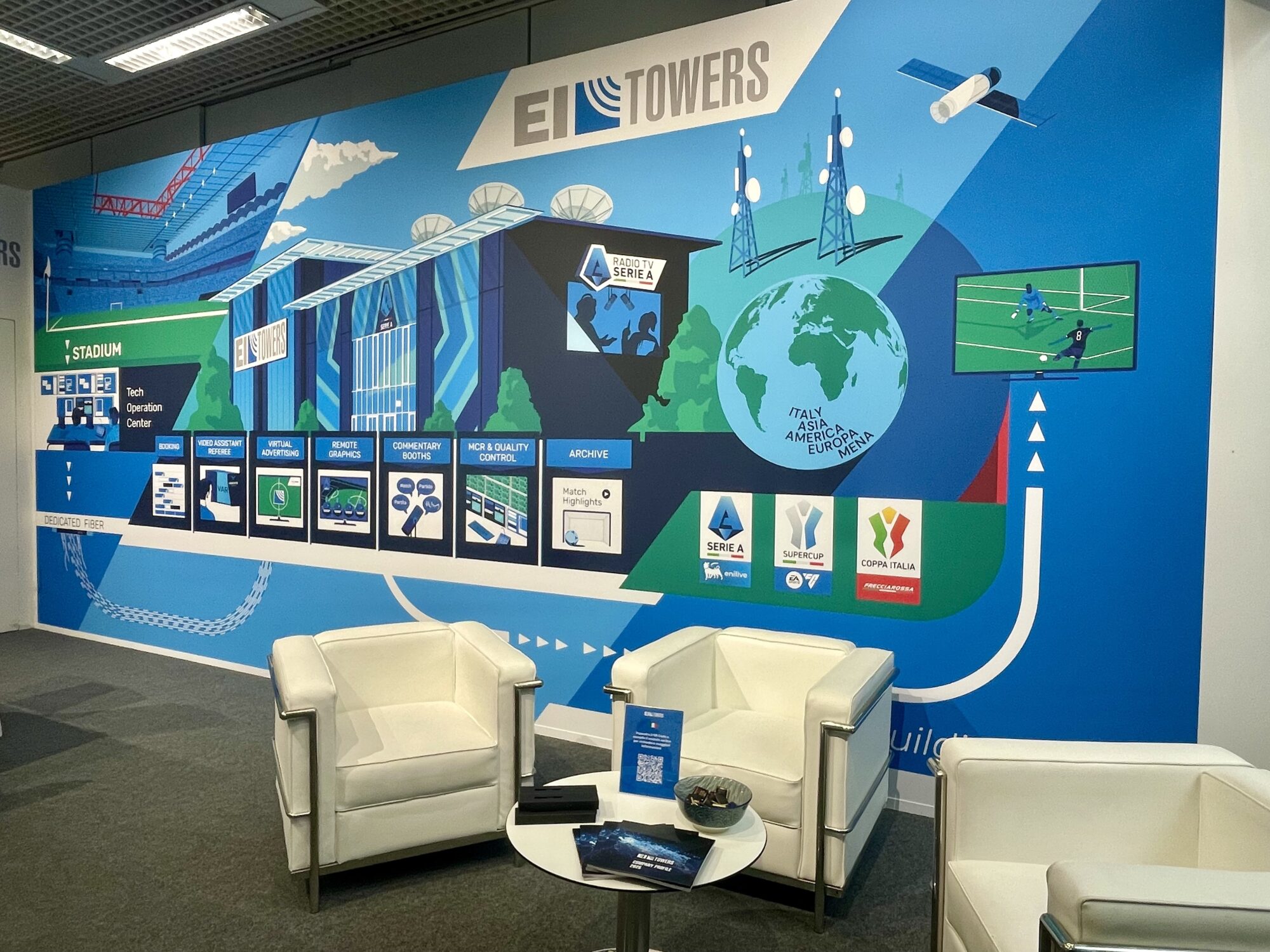
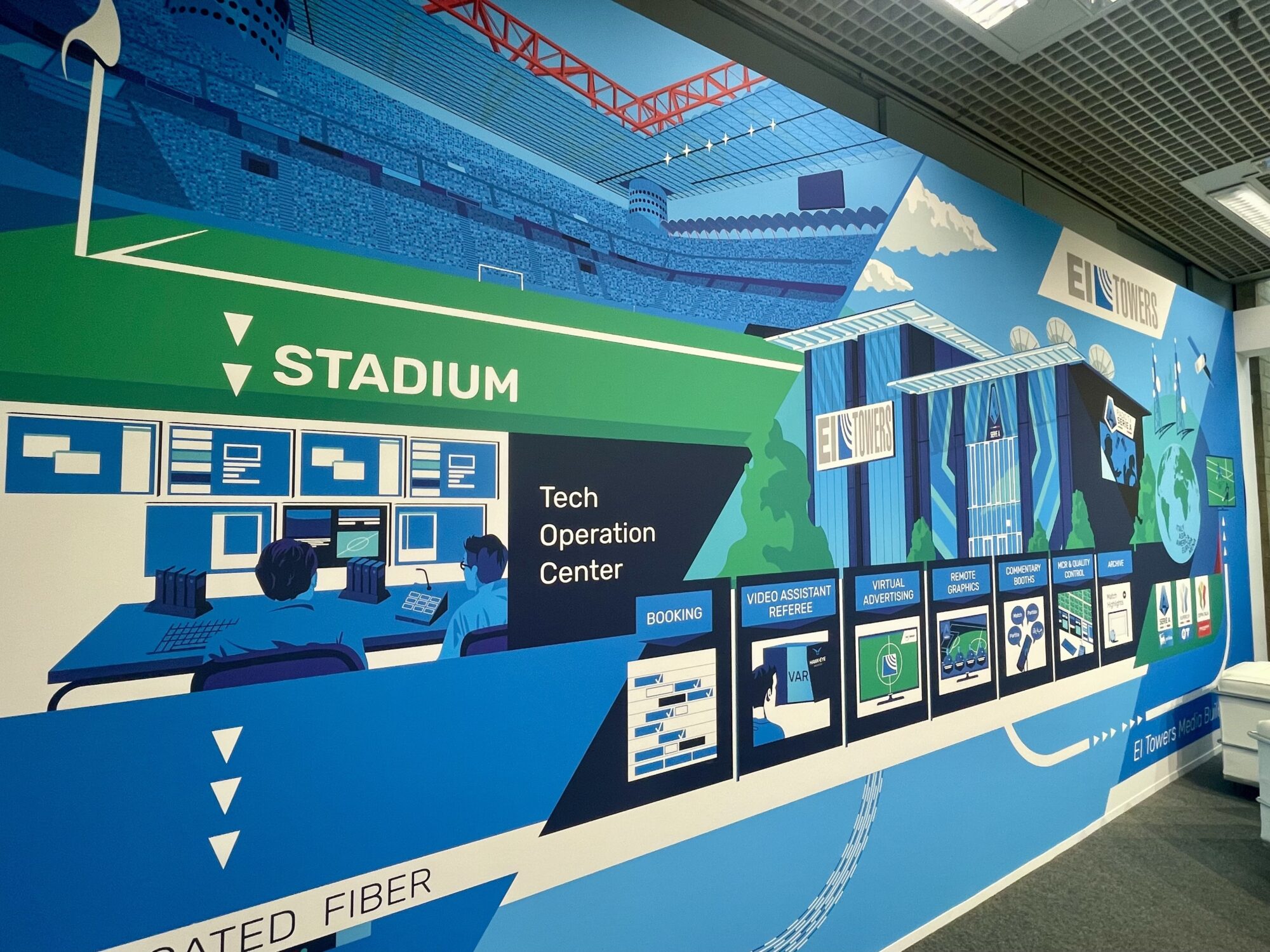
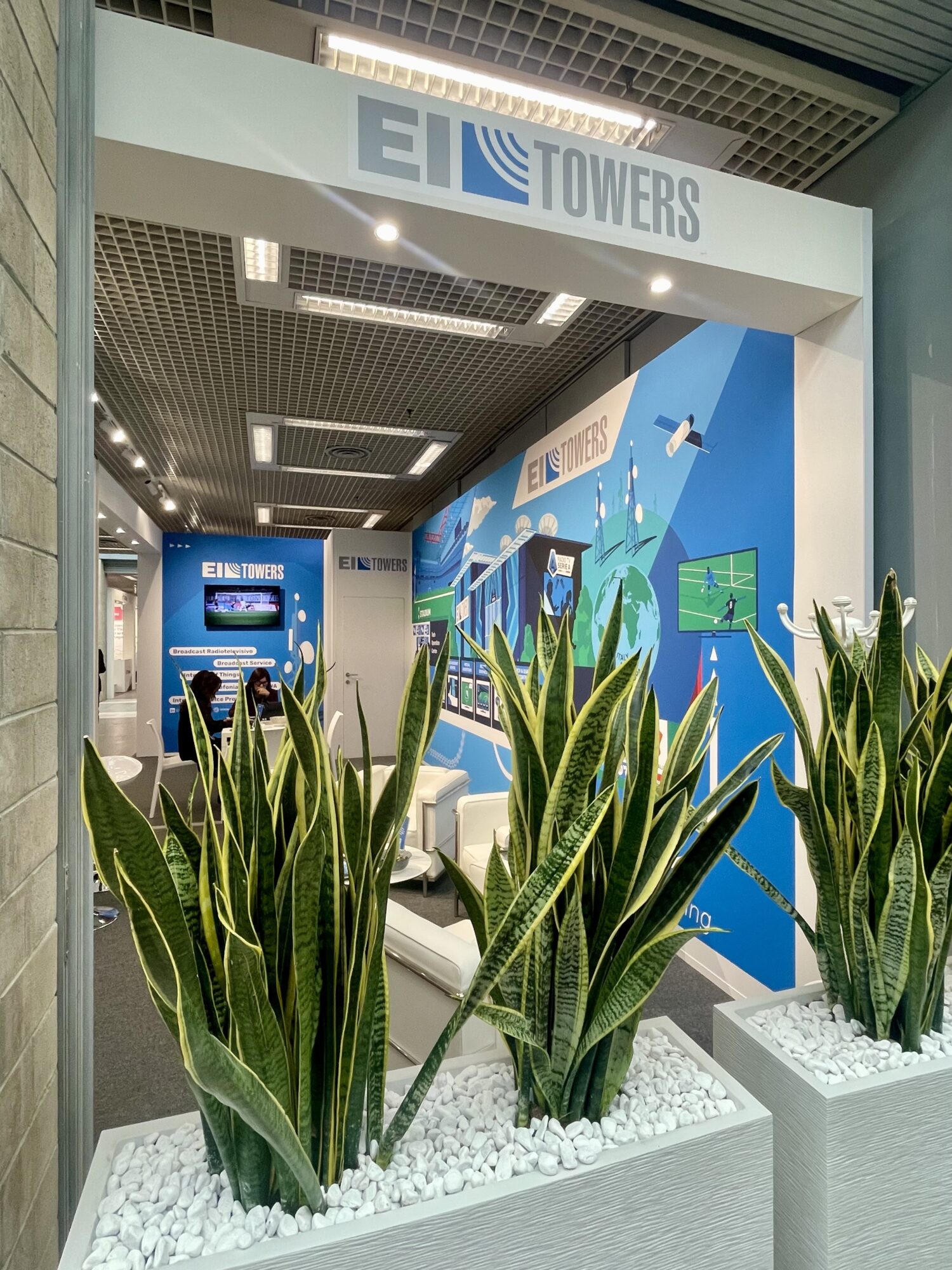
As concrete proof of this vision, Barbieri invited Lorenzo Dallari, Editorial and Social Media Director of Lega Serie A, onto the stage to present the Radio Tv Serie A project, born also thanks to the collaboration with EI Towers.
Dallari explained that Lega Serie A chose to build state of the art studios, control rooms and post production suites, noting that, although producing radio and television content was not originally part of their remit, they came to understand how strategic the role of communication and content distribution is.
The project is now also looking at free to air television, with the aim of further expanding the reach of sports content and enhancing the editorial heritage of the League.
The roadmap ahead
Guido Barbieri’s talk outlined a roadmap for the future of the sector: growing through complementarity, cooperating to innovate, and building solid infrastructures capable of supporting emerging technologies.
A message that moves beyond the logic of technological competition, proposing instead a development model based on collaboration, integration and sustainability.